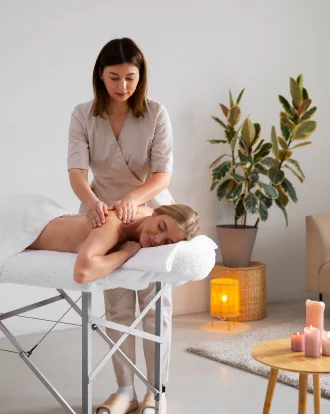

Whether you’re a massage therapy seeker or a wellness enthusiast, understanding these benefits might just make regular massages an essential part of your self-care routine.

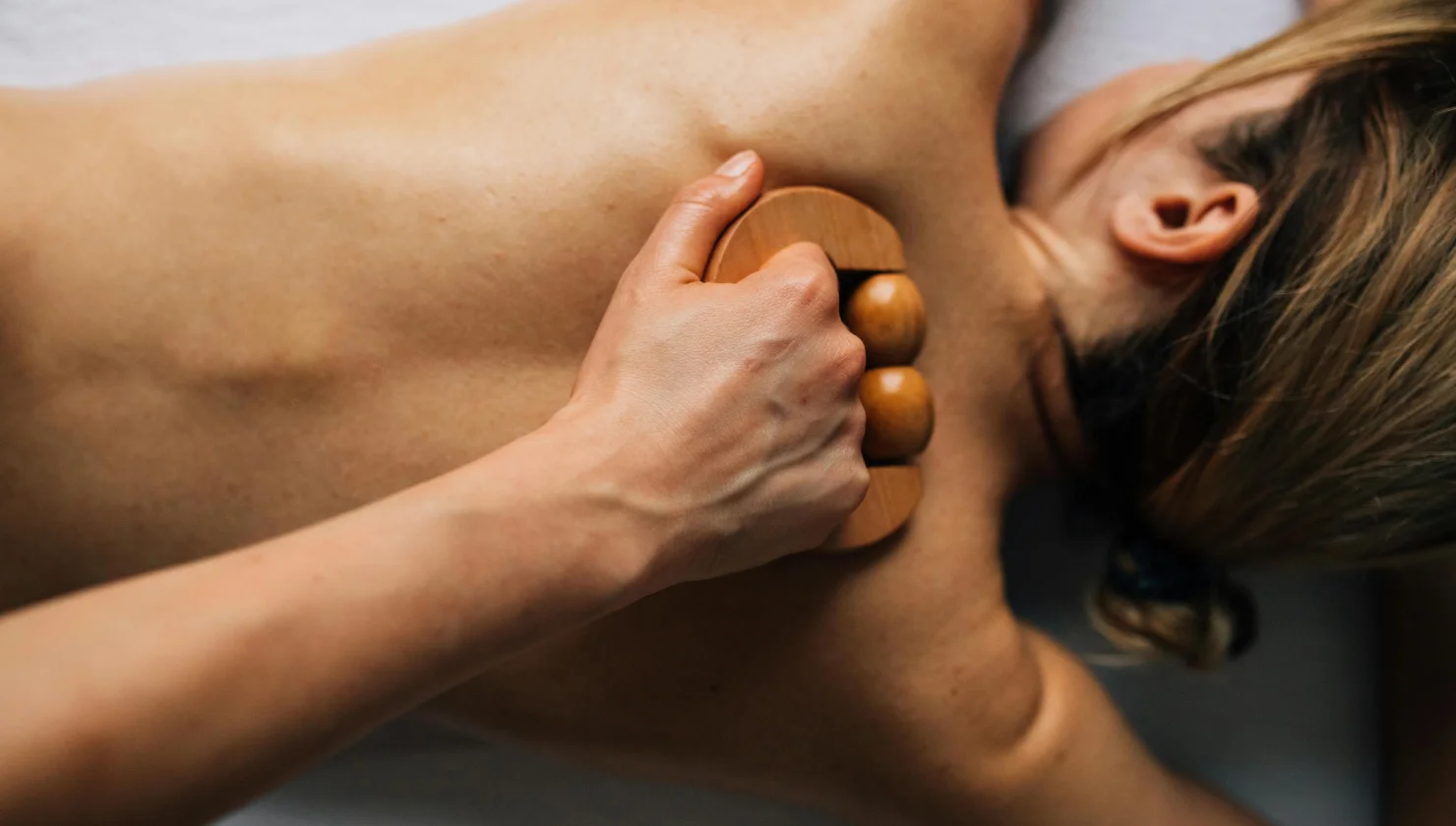
You want a massage that fits your body and goals, not a name on a menu. Oriental massage usually focuses on energy lines, stretching, and healing traditions from Asia, while Swedish massage centers on long, flowing strokes to relax muscles and ease tension. Oriental massage often blends stretching and pressure to rebalance energy, while Swedish massage uses gentle, rhythmic movements to relax muscles and reduce stress.
If you’re deciding which to try, think about whether you want a more active, stretch-and-energy session or a soothing, muscle-focused treatment. Knowing the main difference helps you pick the style that will leave your body feeling better in the way you want.
Key Takeaways
- One style targets energy and stretching, the other targets muscle relaxation.
- Choose based on whether you want active movement or gentle strokes.
- Match the massage to your goals for best results.
Discover how massage therapy can significantly boost your mental well-being. Whether you’re a massage therapy seeker or a wellness enthusiast, understanding these benefits might just make regular massages an essential part of your self-care routine.
Overview of Oriental Massage
Oriental massage covers several Asian traditions that aim to balance the body’s energy, reduce pain, and improve movement using pressure, stretching, and mindful touch.
Definition and Origins
Oriental massage refers to bodywork systems that developed across East and Southeast Asia over centuries. You will most often encounter Thai, Chinese (Tui Na), Japanese (Shiatsu), and other regional methods. Each style grew from local medicine, spiritual practices, and hands-on therapy used to treat illness and injury.
Origins tie closely to traditional frameworks like Chinese medicine’s meridians and Japanese kampo, or Southeast Asian healing arts combining Ayurveda and local lore. Many techniques were practiced in temples, courts, and clinics before spreading to the public. You can trace some methods back more than a thousand years in texts and oral traditions.
Traditional Techniques Used
Oriental massage uses varied techniques focused on energy lines, pressure points, stretching, and joint work. You might feel deep sustained pressure with thumbs, palms, or elbows on specific points to release tension. Practitioners often include rhythmic compressions, percussive taps, and slow assisted stretches that increase range of motion.
Some styles use clothing and a mat rather than oil and a table. Others combine massage with herbal compresses, cupping, or moxibustion. The session usually adapts to your needs: pain relief, better mobility, or restoring energy flow.
Cultural Influences on Practice
Cultural beliefs shape how you experience Oriental massage. In Chinese-based styles, the idea of qi and meridians guides point selection and technique intensity. In Japan, shiatsu emphasizes balance and gentle finger pressure, reflecting a cultural focus on subtlety and body awareness.
Thai massage incorporates yoga-like stretches and Buddhist ideas about energy lines, reflecting temple origins and communal healing. Local customs determine session rituals, like how you greet the therapist, dress, and whether herbal tools are used. These cultural layers affect both the therapy’s goals and how techniques are taught and passed down.
Stress Reduction through Lower Cortisol Levels
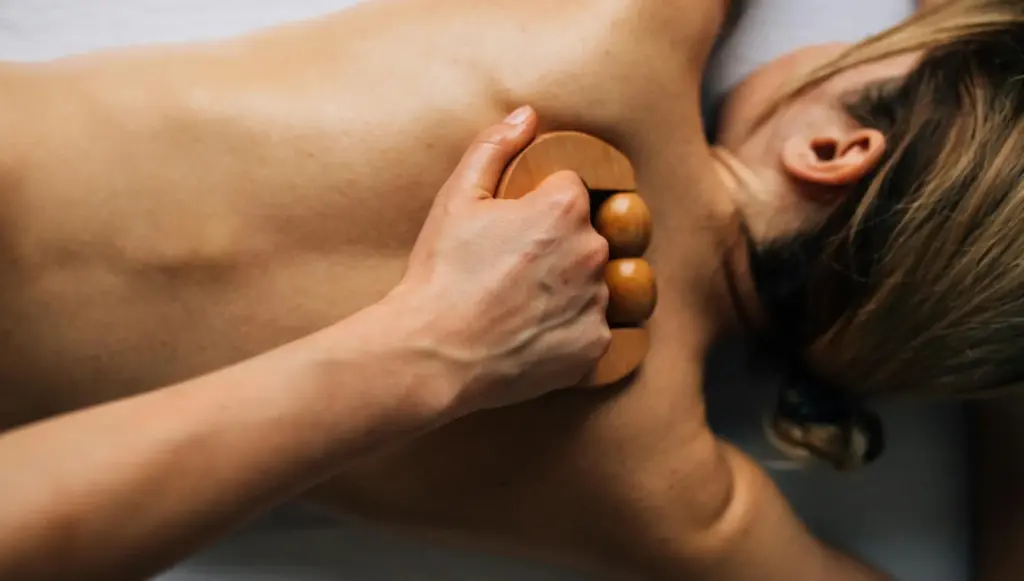
Swedish massage uses five main strokes, steady pressure, and long gliding movements to relax muscles, increase circulation, and reduce tension. You will feel mostly hands-on kneading, sweeping, and light tapping aimed at easing tight areas and promoting calm.
We now live in an era where, through Jesus, God wants to reveal and manifest himself to the world. In this era, God’s manifested presence is not meant to be rare or uncommon. It’s meant to be poured out everywhere. It’s meant to be a regular occurrence for believers to experience His presence manifested among us.
All these things uphold our freedom in Christ and allow for us to experience God’s manifested presence. Until Christ returns let’s keep walking in these things and in our assignment to help as many as we can to find and experience the freedom we have in Christ.
All these things uphold our freedom in Christ and allow for us to experience God’s manifested presence. Until Christ returns let’s keep walking in these things and in our assignment to help as many as we can to find and experience the freedom we have in Christ.
Core Principles and Methods
Swedish massage centers on five basic strokes: effleurage (long glides), petrissage (kneading), friction (deep circular), tapotement (rhythmic tapping), and vibration/shaking. You receive oil or lotion to reduce friction while the therapist applies these strokes in smooth, controlled sequences.
Pressure ranges from light to firm based on your comfort and treatment goals. Therapists focus on muscle layers, working from superficial to deeper tissues. Sessions often follow a predictable order—back, shoulders, arms, legs, neck—so circulation improves and tension releases systematically.
Development and Background
Swedish massage developed in the early 1800s, largely shaped by Swedish physiologist Per Henrik Ling. He combined European manual therapy ideas with gymnastic movements to form a system focused on muscle and joint health.
Modern practitioners adapted Ling’s work into the standard spa-style massage taught worldwide. Training emphasizes anatomy, stroke technique, and client assessment so therapists can adjust pressure and sequence to your needs while staying within a therapeutic framework.
Key Goals of Swedish Massage
The main goals are muscle relaxation, improved blood flow, and stress reduction. You get slower, rhythmic strokes to calm the nervous system and decrease muscle tightness.
Therapists also aim to increase joint mobility and speed recovery from mild soreness. For many people, Swedish massage provides gentle pain relief, better sleep, and a lowered heart rate, making it a common choice for first-time massage clients.
The European languages are members of the same family. Their separate existence is a myth. For science, music, sport, etc, Europe uses the same vocabulary. The languages only differ in their grammar, their pronunciation and their most common words. Everyone realizes why a new common language would be desirable: one could refuse to pay expensive translators.
The languages only differ in their grammar, their pronunciation and their most common words. Everyone realizes why a new common language would be desirable: one could refuse to pay expensive translators. To achieve this, it would be necessary to have uniform grammar, pronunciation and more common words.
Book a Consultation
It’s easy and free!